


 Did you know that attics are the main reason for energy loss in your home? Although many homes have fiberglass or another type of attic insulation, they still don’t protect you completely from the outside temperature or from high energy bills. One reason for high electric bills is the fact that many homeowners don’t consider the depleted R-value of their existing insulation. As insulation ages, its ability to resist heat decreases along with its effectiveness. In addition, insulation that’s been subject to moisture or has compressed over time does not provide its labeled R-value.
Your roof is constantly subject to the heat of the sun during summer and the cold of the rain, snow, and blowing winds during winter, which makes it hard to keep heat from flowing between the inside and out. After a period of time, regular insulation will not be able to absorb any more heat, rendering it less useful for you. Rather than absorb the heat and hold it, a radiant barrier will reflect it, helping you to keep the temperature of your home separate from the outside weather environment. Your attic insulation can help lower your utility bills and keep your family cozy.
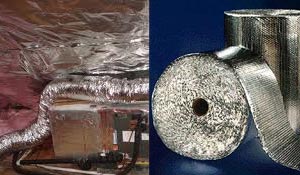
One of the best ways to help control this heating and cooling efficiency in your existing home is to install radiant barrier insulation in the attic. Radiant barrier insulation is a foil covered insulation that is placed in your attic. It is a clean and lightweight material that is easy to handle made of rolls of ¼” foam with foil on both sides.
On the other hand, if you are building a new home you can have radiant barrier roof sheathing panels installed while the home is under construction. It is a regular 4x8 OSB panel with reflective foil on one side. The panels install like conventional roof sheathing and require no additional labor. Radiant barriers help reduce energy consumption. It is ENERGY-STAR certified and it will reduce the heat load on in-attic air handling systems. It will cut monthly electric bills.
When choosing the color of your roof keep in mind that a darker color shingle will absorb and attract heat from the sun while a lighter color roof will not. The types of radiant barriers mentioned above reflect the ultraviolent heat from the sun’s rays whether the color of the roof is light or dark.
Here is a good link from the US Department of Energy on keeping your home cool. http://www.energysavers.gov/your_home/space_heating_cooling/index.cfm/mytopic=12350